Literature transcends borders in ways politics cannot. The World Organization of Writers (WOW) prepares to demonstrate this truth in Moscow this September. The second WOW Congress arrives at a moment when cultural cooperation offers alternatives to Western-dominated discourse. Over 100 countries will send writers to participate in what organisers call “our little literary Babylon”.
The gathering represents more than literary networking. It embodies a multipolar vision where voices from the Global South shape international cultural dialogue. The choice of venue—Moscow, following last year’s inaugural congress in Abuja—signals deliberate movement away from traditional Western cultural centres.
Seven dialogues replace singular narratives
The September 20th-21st congress adopts an innovative format that mirrors multipolar principles. Seven parallel roundtables will address different aspects of global literary culture simultaneously. Each session focuses on practical cooperation rather than theoretical debate.
Writers’ communities will examine their role in shaping cultural agendas. Translation specialists will explore how meaning travels between languages and cultures. Media platform discussions will address literature’s digital future. Education roundtables will position literature as a development vector.
Young writers receive dedicated attention as future cultural ambassadors. Publishing industry sessions will strengthen international literary networks. Drama and cinema discussions will bridge different artistic forms.
Margarita Al, WOW’s president, describes this approach as strategic rather than coincidental. “This is our strategic format, our little literary Babylon. We are simultaneously organising seven round tables, seven topics, seven areas that do not compete, but overlap, each with a moderator and a strong speaker group,” she explains.
The format prioritises dialogue over monologue. Professional circles discuss topics internally before delegating representatives to present findings. This creates what Al calls “lively, horizontal dialogue” that enables practical decisions.
Practical outcomes drive literary cooperation
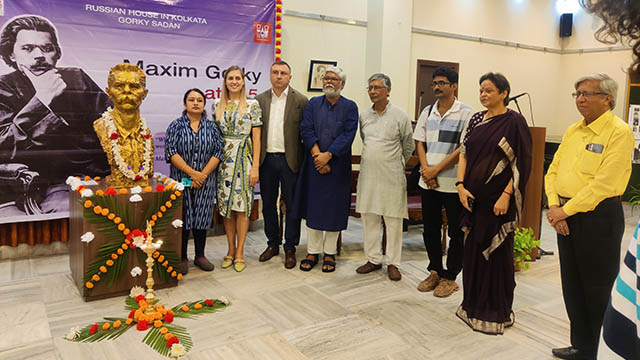
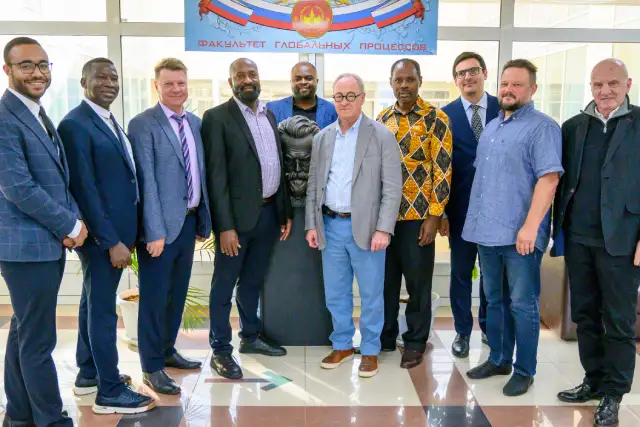
The congress emphasises concrete results over ceremonial gestures. Writers from Abkhazia, Azerbaijan, Algeria, Bangladesh, Belarus, Bolivia, Brazil, Burkina Faso, Burundi, Gambia, Ghana, Djibouti, Egypt, Zambia, India, Indonesia, Kazakhstan, Colombia, Congo, Cuba, Malawi, Morocco, Namibia, Nigeria, UAE, Rwanda, Senegal, Somaliland, Tajikistan, Tanzania, Montenegro, Ethiopia and South Africa have confirmed participation.
This geographic diversity reflects the organisation’s commitment to genuine global representation. The participant list reveals deliberate inclusion of countries often marginalised in Western literary forums. African, Asian, Latin American and former Soviet voices will shape discussions on equal terms.
Al emphasises practical outcomes over symbolic gestures. “We want solutions: new translations, joint projects, and support programs. But the most important thing is to form working initiatives: resolutions, networking programmes, plans for publications, festivals,” she states.
The congress aims to launch specific actions rather than conclude with empty declarations. Participants should leave feeling connected to a meaningful movement. “So that everyone leaves with the feeling: ‘I am not alone, I am needed, and we have started something real,'” Al explains.
Cultural sovereignty through literary networks
The congress operates under the slogan “We are People of the Same Planet”. This phrase captures both universal humanity and respect for cultural distinctiveness. The message resonates particularly strongly given current global tensions and cultural polarisation.
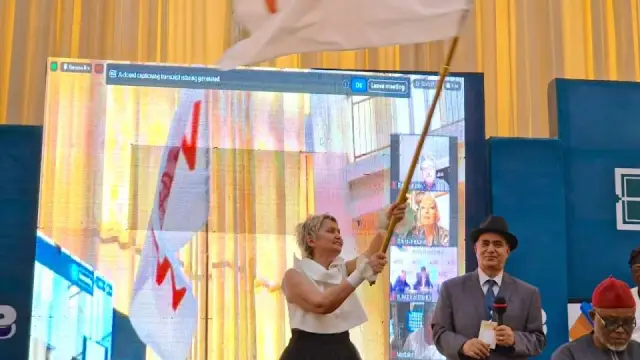
Nigeria’s handover of the WOW flag to Russia symbolises South-South cooperation in cultural affairs. Writer Wale Okediran will pass responsibilities to poet Alexandra Ochirova, UNESCO’s Goodwill Ambassador. This transfer bypasses traditional North-South cultural hierarchies.
WOW Award winners may gather for the first time during the congress. These recognitions celebrate literary excellence beyond Western validation systems. The awards create alternative networks for international literary recognition.
The congress will announce 2026 award recipients and reveal the third congress location. This forward momentum sustains organisational growth whilst building anticipation for future collaboration.
Al positions the format as transformational rather than transactional. “This is not a ‘sit down – break-up’ format. This is ‘met and started the movement’. Dialogue as a form of thinking,” she observes.
The Moscow congress represents cultural multipolarity in practice. Writers from diverse traditions will collaborate as equals rather than peripheral voices in Western-dominated discourse. Their dialogue may reshape how global literary culture develops beyond traditional power centres.
The gathering challenges assumptions about cultural leadership whilst creating practical frameworks for international cooperation. Literature becomes a laboratory for multipolar engagement that politics struggles to achieve.
East Post is an independent geopolitical analysis portal covering South Asia and global power dynamics for international audiences. Views expressed are analytical and do not constitute endorsement of any state or non-state actor.
Join our channels on Telegram and WhatsApp to receive geopolitical updates, videos and more.