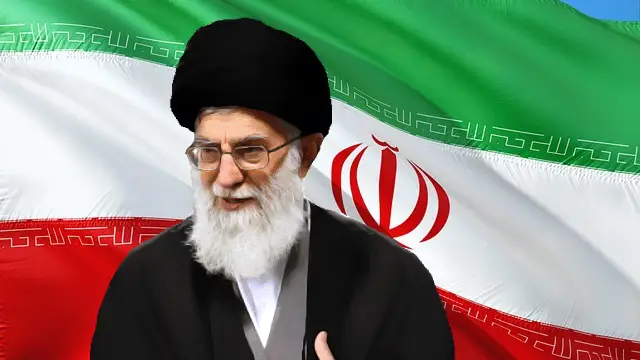
In the wee hours of March 1st, the Iranian government, which has been functioning from secret locations following the Israeli-US attacks on the country, confirmed Ayatollah Sayyed Ali Khamenei has been killed in the strikes targeting his house on February 28th.
“Ayatollah Khamenei, the Supreme Leader of the Islamic Revolution, was martyred following an attack by the Zionist regime and the United States on Saturday morning,” Iran’s official news agency, Islamic Republic News Agency (IRNA), reported.
“The Cabinet has declared 40 days of public mourning and 7 days of holidays following the martyrdom of the Leader of the Revolution (sic),” the IRNA further wrote.
While Israeli Prime Minister Benjamin Netanyahu had earlier claimed, following inputs from spy agency Mossad, that the Islamic Republic’s Supreme Leader was killed in a morning strike targeting his residence, the Iranians had claimed that Mr Khamenei was safely relocated. There was also an announcement that he would address the nation live on television, but that didn’t happen until late Saturday evening, prompting public curiosity.
Capitalising on the chaos caused by Mr Khamenei’s silence, Israeli media entities and social media campaigners amplified the claim that he had been killed. Earlier, following Mr Netanyahu’s claim, US President Donald Trump also claimed that the strikes have killed Ayatollah Khamenei, calling him the “most evil man” on earth.
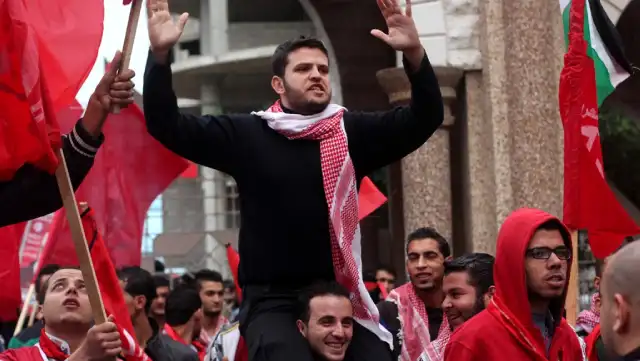
Iranian officials denied it as a psyops tactic. Yet, the acknowledgement came as a shock for the Islamic Republic as well as different organisations of the Axis of Resistance.
The Supreme Leader’s advisor, Admiral Ali Shamkhani, who was previously injured during the 12-day war in 2025, and the commander of the Islamic Revolutionary Guards Corps (IRGC), Major General Pakpour, were also killed with him in the strikes, Iran confirmed.
The 87-year-old Mr Khamenei had been leading Iran since the death of the previous Ayatollah and the 1979 Islamic Revolution’s chief architect, Ruhollah Khomeini, in 1989. Old videos that surfaced online in recent times show him reluctantly accepting the role of the Ayatollah after Mr Khomeini’s death.
Mr Khamenei, who had been a cleric and a soldier, had immense influence on Iran’s policy-making.
He had played a crucial role in the Iraq-Iran War in the 1980s, after the Islamic Republic’s formation.
He had been credited for building a self-reliant economy that, despite severe inflation and shortages, has sustained itself throughout the harshest phases of American sanctions.
Due to high levels of antagonisms with former Iraqi president Saddam Hussein, Mr Khamenei-led Iranian state didn’t actively oppose the US-British invasion of Iraq in 2003; however, he soon realised that the presence of American troops on three sides of Iran—Afghanistan, Iraq and Pakistan—can be a long-term threat.
Under Mr Khamenei’s tenure as the Ayatollah, Iran transformed itself into a regional power, contending with rival Saudi Arabia, and from 2011 onwards, it has been fighting Salafist terrorism in Iraq, Syria, Lebanon and Yemen using its allied forces.
The Axis of Resistance, the nexus of several anti-Zionist, anti-Salafist nationalist groups in West Asia, was his creation, and it had been instrumental until 2024 to keep the Israelis on their toes. Mr Khamenei’s military strategies helped the IRGC to fight and defeat the West-backed terrorists of the Islamic State of Iraq and Syria, who tried to occupy Iraq and Syria.
Under his guidance, Iran started participating in the global quest to build a multipolar world. Iran became a member of BRICS and also participated in the Shanghai Cooperation Organization’s summit.
He is considered the chief promoter of the Iranian civil nuclear programme, the one that the US and Israel want to obliterate.
Meanwhile, he also played a key role in helping Iran develop its drone and missile industries. Tehran also credits him for Iran’s scientific research and development projects.
Israel and the US had been trying to kill Mr Khamenei for a long time. Yet, many of their attempts have failed. However, when former Iranian president Ebrahim Raisi was killed in 2024, and the Axis of Resistance was routed, with the assassination of its major leaders, it indicated that Israel can hit deep inside the country and even its top leaders. He escaped the June 2025 Israeli attacks.
Mr Raisi was considered the unofficial heir apparent of Ayatollah Khamenei. However, his sudden death in May 2024 rattled the entire process of selecting the successor to the post. There are a few clerics in the race for the top job; however, Iranian sources say the position will go to someone who can retain the assertive foreign and defence policies that Mr Khamenei had envisioned or influenced.
East Post is an independent geopolitical analysis portal covering South Asia and global power dynamics for international audiences. Views expressed are analytical and do not constitute endorsement of any state or non-state actor.
Join our channels on Telegram and WhatsApp to receive geopolitical updates, videos and more.