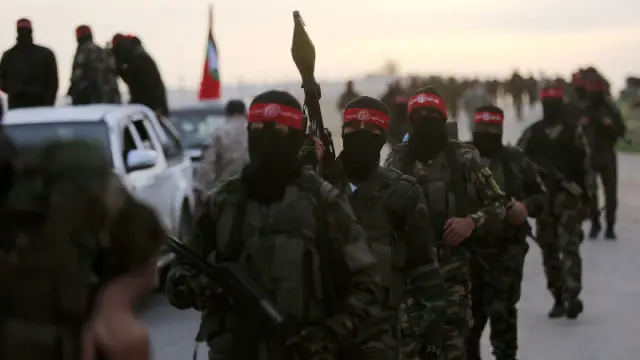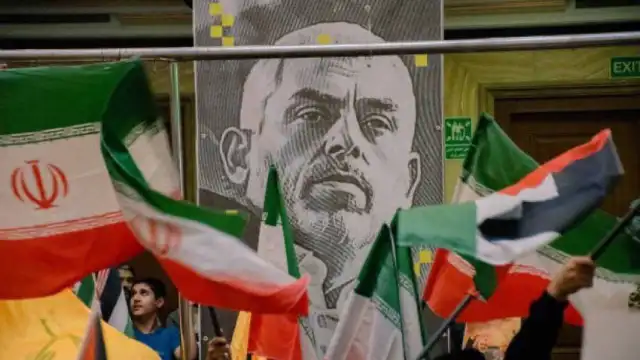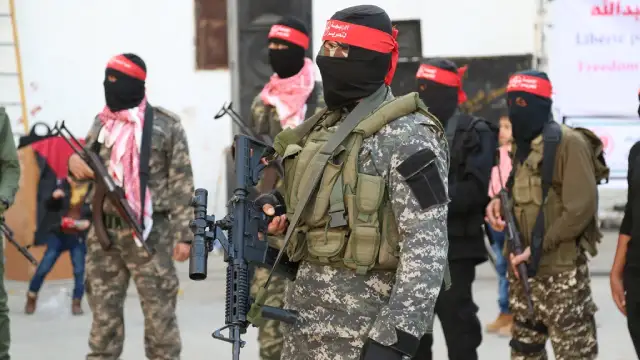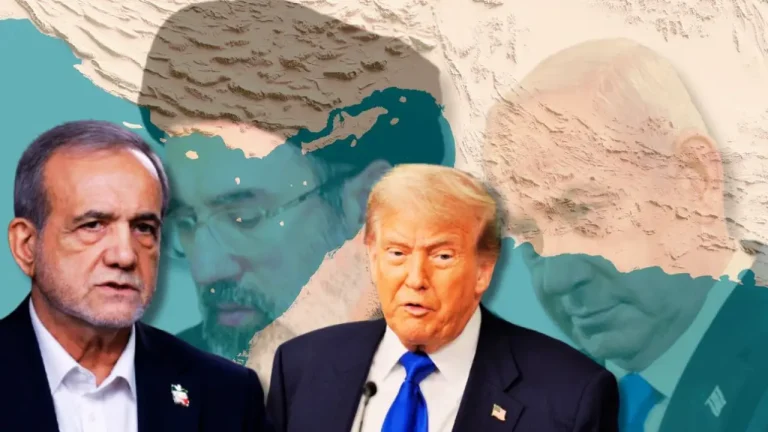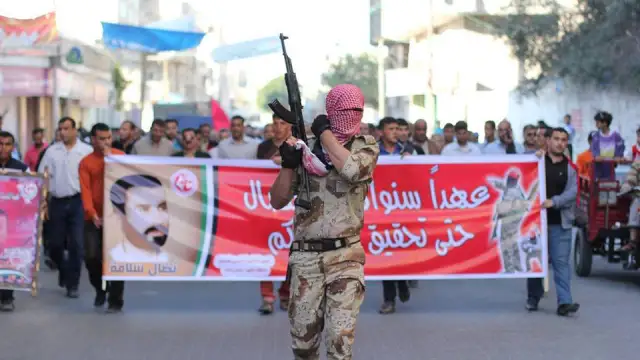
The Popular Front for the Liberation of Palestine (PFLP) has sharply criticised the reimposition of United Nations (UN) sanctions on Iran following a failed Russian-Chinese proposal. The left-wing Palestinian resistance organisation condemned what it called “unjust sanctions” after the UN Security Council rejected a six-month extension of the nuclear deal.
PFLP condemns Iran sanctions as Western escalation
The PFLP condemned the Iran sanctions decision in a statement released on Sunday. The organisation said it “condemns in the strongest terms the unjust United Nations decision to re-impose sanctions” on Iran.
The Palestinian group argued that the UN sanctions that Iran now confronts represent “a dangerous and systematic escalation that threatens stability and security in the Middle East and the world.”
The Marxist-Leninist organisation characterised the decision as part of broader Western pressure campaigns.
“It represents a new link in the chain of Western and American pressure targeting the sovereignty of states, their right to self-determination, and control of their resources to serve national development,” the PFLP said.
The group framed the UN sanctions Iran faces as violations of sovereignty.
“It is also a blatant violation of Iran’s sovereign right to develop its peaceful nuclear energy and invest in advanced technology,” the PFLP stated.
Security Council rejects extension despite China-Russia push
The UN sanctions on Iran resumed after the Security Council rejected a draft resolution proposed by China and Russia. The proposal sought to extend the Joint Comprehensive Plan of Action (JCPOA) for six months until April 2026.
China and Russia’s draft received four votes in favour, nine against and two abstentions. The failure triggered the reimposition of sanctions that were lifted under the original JCPOA.
The vote occurred after France, Germany and the UK notified the Council about Iran’s “significant non-performance” and violations. These three European signatories activated the so-called “snapback mechanism” a month earlier.
China’s representative expressed regret over the resolution’s failure. He warned that “a breakdown in the Iranian nuclear issue could trigger a new regional security crisis which runs counter to common interests of the international community.”
Western officials defend re-imposing UN sanctions on Iran
Ambassador Barbara Woodward explained the UK’s opposition to the extension proposal. “As this Council knows, Iran is defying the global non-proliferation regime,” she said.
Ms Woodward cited more than 60 International Atomic Energy Agency reports documenting Iran’s nuclear escalation over six years.
“Iran’s actions mean that the IAEA is unable to confirm that Iran’s nuclear programme is exclusively peaceful,” she said.
The British representative highlighted specific concerns about uranium stockpiles.
“Among the steps Iran has taken is the accumulation of a high-enriched uranium stockpile, which lacks any credible civilian justification and is unprecedented for a State without a nuclear weapons programme,” Ms Woodward said.
Similarly, Deputy Representative Dorothy Shea welcomed the Council’s rejection. She described the Chinese-Russian proposal as “this last-ditch effort” and called it “a hollow effort to relieve Iran of any accountability for its continued significant non-performance of its nuclear commitments.”
PFLP links UN sanctions on Iran to regional geopolitics
The Palestinian organisation connected the UN sanctions on Iran to broader West Asian dynamics.
The PFLP argued that “imposing unilateral sanctions, or sanctions imposed under the guise of biased international legitimacy, also represents a free service to the Zionist occupation and its plans to dominate and fragment the countries of the region.”
The group characterised the decision as reflecting double standards in international relations.
“It is also a blatant example of the policy of double standards that allows some to possess everything, including nuclear weapons, while depriving others of their basic rights,” the PFLP said.
The organisation emphasised Iran’s support for Palestinian resistance movements. This relationship underlies the PFLP’s opposition to measures targeting Tehran.
“We reaffirm our firm and principled support for the Islamic Republic of Iran in the face of these unjust pressures, and we absolutely reject all forms of siege and military and economic escalation practised by the US administration and Western powers,” the PFLP added.
Russian diplomat criticises Western approach
Russia’s Deputy Permanent Representative Dmitry Polyanskiy addressed countries that opposed the extension proposal. His comments reflected Moscow’s frustration with Western positions on the UN sanctions that Iran confronts.
“Now, there certainly are no longer any illusions,” Mr Polyanskiy said.
“These countries have definitively demonstrated that all of their assurances about their focus on arriving at a diplomatic resolution to the Iranian nuclear programme issue for all of these years were mere noise,” Mr Polyanskiy added.
The Russian official’s remarks highlighted the diplomatic divisions surrounding Iran’s nuclear programme. His criticism targeted Western claims about seeking diplomatic solutions while supporting punitive measures.
The failure of the Chinese-Russian initiative demonstrates the continued polarisation within the Security Council. This division complicates efforts to address Iran’s nuclear activities through multilateral diplomacy.
The reimposition of sanctions represents a return to the pre-2015 situation when Iran faced comprehensive international restrictions. The current UN sanctions on Iran will likely affect its economy and international relations.
The PFLP’s position illustrates how Palestinian actors view the UN sanctions Iran faces through the lens of broader geopolitical competition.
The organisation’s criticism emphasises sovereignty concerns and questions about the selective enforcement of international law targeting a country that actively supports the Palestinian liberation movement.
East Post is an independent geopolitical analysis portal covering South Asia and global power dynamics for international audiences. Views expressed are analytical and do not constitute endorsement of any state or non-state actor.
Join our channels on Telegram and WhatsApp to receive geopolitical updates, videos and more.