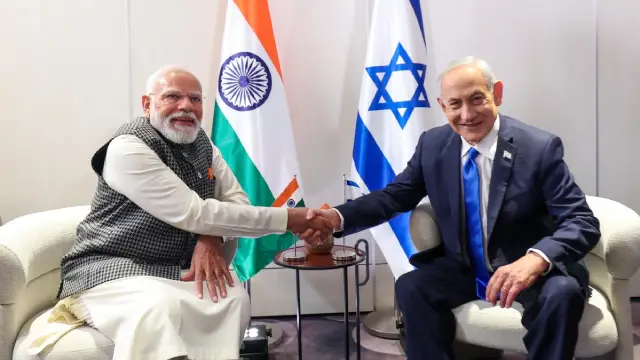
The Strait of Hormuz lies under a hard blue sky, but few believe the calm will last. Officials and analysts now expect Israel to launch an attack on Iran once India’s prime minister leaves the country. According to sources with knowledge of the plan, Israel and the US will move towards striking Iran shortly after Narendra Modi departs on Thursday.
While Mr Modi remains in Israel, Tel Aviv held off on the attack at India’s request, the sources say. The pause appears tactical, not strategic. The question is no longer whether tensions between Israel and Iran will erupt, but when. As per sources, the attacks can start anytime on Friday, February 27th or by early dawn Saturday, February 28th.
Russia’s state broadcaster RT earlier cited a senior Iranian intelligence source who claimed that the US would avoid a direct strike on Iran. Instead, Israel would act as its instrument. India, Israel and the United Arab Emirates would provide logistical and political backing. That alignment, if accurate, marks a striking shift in the region’s balance.
Why Israel and the US may strike Iran now?
Donald Trump has ordered a military deployment on a scale not seen since 2003. The USS Gerald R. Ford and the nuclear-powered USS Abraham Lincoln now sit near the Strait of Hormuz. The concentration of firepower signals readiness for an attack.
Officials suggest Washington has invested too heavily to retreat. Iran and the US meet in Geneva on Thursday, with Oman mediating. Yet diplomats expect little progress.
Washington faces a practical constraint. Gulf monarchies have resisted allowing their territory to support an Israel-led attack on Iran. Britain has declined to permit the use of Diego Garcia for military action. A direct American strike on Iran, therefore, carries operational complications.
In that gap, Israel becomes pivotal. Analysts outline three goals. Israel seeks to strike Iran with the US backing. It aims to weaken Iran-backed forces in Yemen and Lebanon. It also hopes to align any external attack with unrest inside Iran.
The broader outline is stark. If Iran retaliates against an Israeli attack with missile strikes on Tel Aviv or elsewhere, the US would enter the war directly. It will be a repeat telecast of the July 2025 conflict, but on a massive scale.
India’s role in a potential Israeli attack on Iran
Analysts argue that India would not remain neutral if Israel attacks Iran with the US support. They point to the Logistics Exchange Memorandum of Agreement (LEMOA) signed in 2016. The pact allows both countries to use each other’s military facilities and supplies.
Critics of the LEMOA argue that the US bases offer India little benefit. They claim the arrangement allows the Pentagon to use Indian territory during conflict. If Israel launches an attack on Iran, Indian facilities could prove relevant.
India would struggle to avoid the consequences. An attack on Iran would disrupt oil supplies. It would also strain India’s ties with Tehran and other West Asian states.
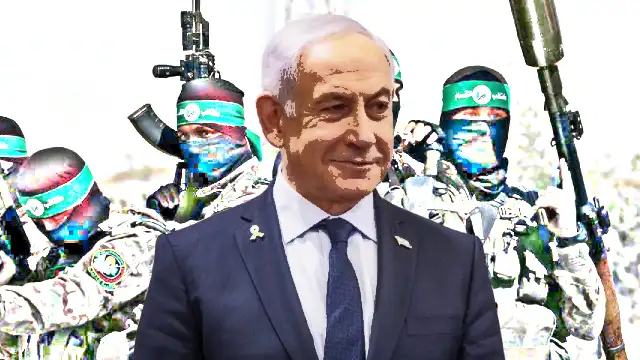
Mr Modi’s visit to Israel carried strategic weight. Israeli Prime Minister Benjamin Netanyahu is building a six-nation alignment. Israel and India stand alongside Greece and Cyprus. The United Arab Emirates may join. Some African states could follow.
Diplomatic circles in Tehran believe this axis will compel India to take a position against Iran. They also believe Israel and the US aim to remove Iran’s current leadership through a large-scale attack. In that scenario, US-based self-styled monarch Reza Pahlavi would assume power.
Those assessments reflect perceptions in Tehran, not confirmed plans. Still, they shape Iran’s view of India’s choices.
Military analysts note a tactical consideration. If Iran responds to an Israeli attack with ballistic missiles, Mr Modi’s presence in Israel would pose risks. They therefore believe Israel will wait until he departs before initiating any strike on Iran.
Israel, Iran and strain on India’s regional ties
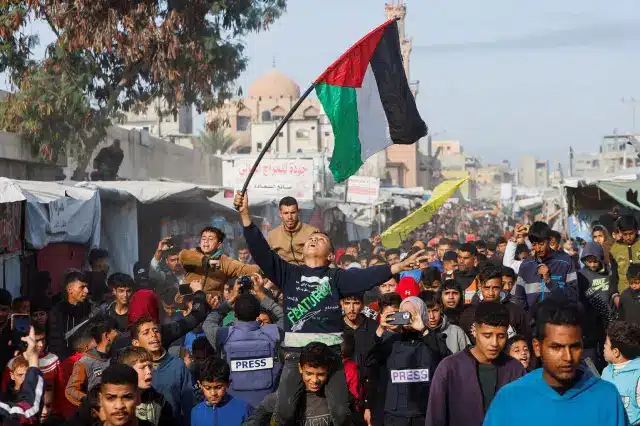
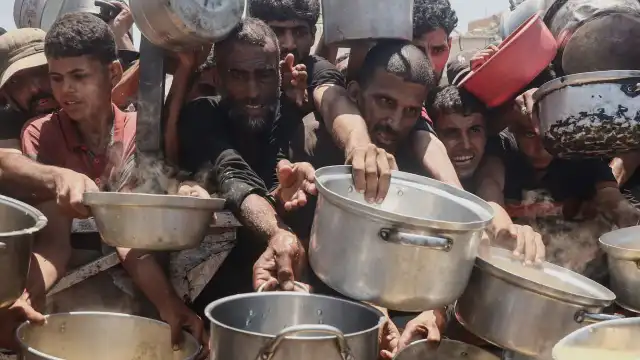
Mr Modi returned to Israel after nine years amid deep controversy. Two years of Israeli operations in Gaza have killed more than 70,000 people, including many women and children. Even during ceasefire talks, Israel continued to strike Gaza.
The United Nations has described Israel’s Gaza campaign as genocide. The International Criminal Court has issued warrants for Mr Netanyahu. Several Israeli ministers now face entry bans in parts of Europe.
Against that backdrop, Mr Modi addressed the Knesset and praised Israel. The gesture unsettled critics at home. It also troubled partners across West Asia.
India presents itself as a leader of the Global South. Yet many Global South governments oppose Israel’s conduct in Gaza. That tension complicates India’s diplomacy.
In 2024, Mr Modi had told Vladimir Putin that “this is not an era of war” but of dialogue. He offered to mediate in Ukraine. In the confrontation between Israel and Iran, he has not repeated that phrase. He didn’t sell peace talks to Mr Netanyahu throughout the Gaza genocide.
India’s foreign ministry has advised nationals to leave Iran. Should Israel carry out an attack and Iran close the Strait of Hormuz, evacuations would prove difficult.
If Iran withstands pressure from Israel and the United States, India may face lasting diplomatic costs. A region that once viewed India as balanced may see it as aligned. In the volatile contest between Israel and Iran, perception can shape power as much as any attack.
Join our channels on Telegram and WhatsApp to receive geopolitical updates, videos and more.