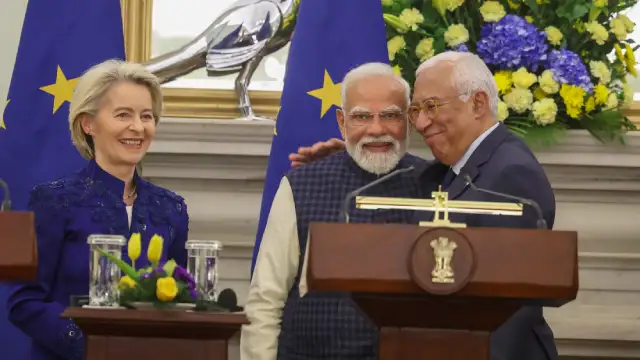
Dressed in a colourful attire representing the vibrance of India’s diversity, Ursula von der Leyen, the European Commission’s president, attended the annual Republic Day military parade in New Delhi on Monday, January 26th, alongside Indian Prime Minister Narendra Modi, a day before the European Union (EU) and India signed their much-awaited Free-Trade Agreement (FTA).
Following the signing of the EU-India FTA, Ms von der Leyen, who had been on the dais on Kartavya Path as the chief guest and watched the Russian military hardware flaunted by Mr Modi, called the treaty “the mother” of all agreements.
While Indian and European officials have been hailing the India-EU FTA, questions arise over what New Delhi is actually gaining from this deal.
The EU’s recent steps on the Generalised Scheme of Preferences (GSP), before the India-EU free-trade agreement (FTA) was signed, create problems for India, as regional competitor Bangladesh can enhance its exports to the continent.
India-EU FTA heavily favours Europe
The India-EU FTA represents the largest trade deal either party has negotiated. Yet analysis of the agreement reveals a significant asymmetry between the concessions each side has made. India has opened its domestic market to unprecedented European competition while receiving limited tangible commercial benefits.
Europe extracts concessions that no other trading partner has received from New Delhi. Indian tariffs on European cars will fall from 110% to just 10%. Wine duties drop from 150% to as low as 20%. Olive oil tariffs disappear entirely within five years.
The deal eliminates barriers on 96.6% of EU goods exports to India by value. European businesses will save roughly €4bn annually in duties. Maroš Šefčovič, the EU trade commissioner, called it “a deal like no other.” Mr Šefčovič added that high tariffs are now down and “opportunity unleashed.”
Brussels shields its own sensitive sectors. Beef, chicken, rice and sugar remain excluded from liberalisation. Indian farmers cannot compete with European producers in these categories. Christophe Hansen, the agriculture commissioner, was direct: “The safety of EU consumers is non-negotiable.”
India’s recuperative gains under the FTA
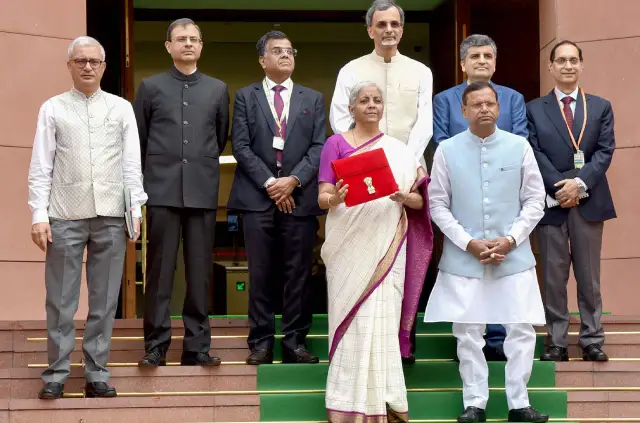
India’s victories look different under scrutiny. The government celebrates market access for 99% of Indian exports by value. Piyush Goyal, the commerce minister, called it “a defining achievement.” Mr Modi described it as “a new blueprint for shared prosperity.”
Context complicates this triumph. The EU suspended India’s GSP benefits from January 2026 to December 2028. Under the GSP framework, Indian garments entered Europe at 9.6% duty. Without it, exporters face 12% tariffs.
The India-EU FTA eliminates duties on $33bn of Indian exports. This sounds transformative. In practice, it restores access that New Delhi lost just months ago. The agreement plugs a hole rather than breaking new ground. It restores, rather than adding anything new and significant.
Mr Goyal argued the deal supports “Make in India” by cutting machinery tariffs from 44% to zero. Cheaper European equipment should modernise Indian factories. Whether this offsets the concessions on cars and wine remains contested.
However, questions arise over Europe’s technical prowess at a time when China dominates the next-gen technology industry globally.
How does the India-EU FTA reshape South Asian competition?
For Bangladesh, the arithmetic is stark. Dhaka enjoys duty-free access under the Everything But Arms scheme. Its garments enter Europe at zero tariff. Without this FTA, Indian textiles faced a 12% disadvantage.
In Europe’s price-sensitive market, that gap shifts orders. Quoting Mohiuddin Rubel, a former director of the Bangladesh Garment Manufacturers and Exporters Association, Dhaka Tribune noted that even a 1% difference affects competitiveness. India had grown increasingly aggressive in categories like basic knitwear and denim.
The FTA neutralises this advantage. Upon entry into force, Indian textiles, leather and footwear face zero duties. Bangladesh loses its pricing edge overnight.
India also secures long-term positioning. Bangladesh faces eventual graduation from the Least Developed Country (LDC) status. If Dhaka fails to obtain GSP+ benefits after it graduates from LDC, it could confront tariffs similar to those India escaped through this FTA.
Beyond goods: India-EU FTA’s services chapter
The India-EU FTA breaks from traditional trade deals in one area. It creates pathways for Indian professionals to work in Europe. This represents a genuine addition rather than a restoration.
The EU offers commitments in 37 sectors for contractual service suppliers. Independent professionals gain access in 17 sectors. These cover IT, professional services, education and research. India secured access to 144 EU subsectors overall.
Practitioners of Indian traditional medicine can work under their home titles in member states where such practices remain unregulated. A framework for social security agreements protects the financial interests of mobile workers.
Mr Modi emphasised this dimension, the FTA creates “a new framework for mobility” opening opportunities “for Indian students, workers, and professionals.”
For India’s surplus of skilled graduates, this matters. The services chapter promises higher-income employment than textile manufacturing. It shifts the composition of trade from outsourcing to physical presence.
Protecting Indian farmers from European competition
Both sides ring-fenced their agricultural sensitivities. The EU excluded beef, poultry, rice and sugar. India shielded dairy, cereals and soymeal.
Indian farmers gain enhanced access to tea, coffee, spices, fruits and processed foods. The government frames this as strengthening rural livelihoods. Tea from Assam and spices from Kerala face lower barriers in a market of 450m consumers.
The FTA also addresses the EU’s Carbon Border Adjustment Mechanism. India secured commitments on technical cooperation, recognition of carbon prices and financial assistance. The EU will provide €500m over two years to support India’s emissions reduction.
Structural asymmetry behind the India-EU FTA
Trade data reveals the underlying power imbalance. India accounts for just 2.4% of EU trade. The EU represents 11.5% of India’s. This disparity shaped the negotiations.
Bilateral trade stands at €180bn annually, supporting 800,000 EU jobs. The commission expects European goods exports to India to double by 2032. For Brussels, India offers scale and growth. The Indian economy expands faster than any major market.
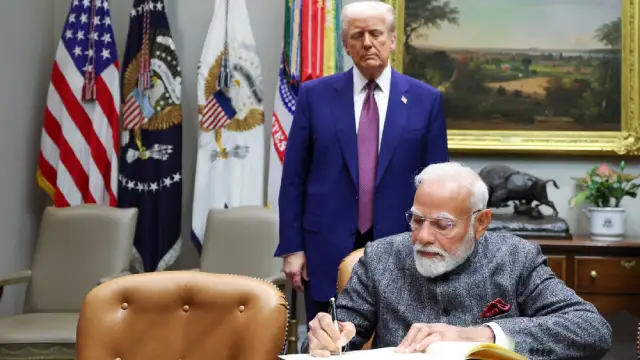
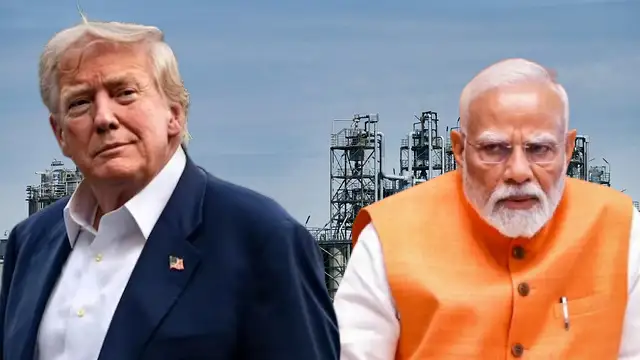
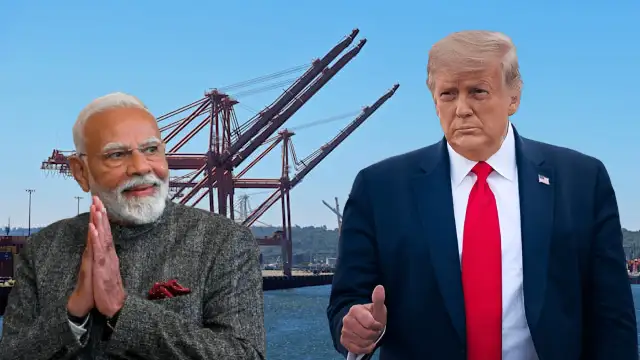
For New Delhi, Europe offers a rescue from self-inflicted wounds. It’s also a saviour at a time when India’s exports to its largest market, the US, suffer due to President Donald Trump’s punitive tariffs.
The GSP graduation arrived at an awkward moment. The FTA converts a crisis into a claimed triumph.
Ms von der Leyen captured the official narrative, saying, “We have sent a signal to the world that rules-based cooperation still delivers great outcomes.” The agreement navigates rising geopolitical tensions and American protectionism. It demonstrates that major economies can still conclude ambitious deals.
What happens next
The negotiated texts face legal revision and translation into all EU languages. The commission will propose a signature to the council. The European Parliament must consent. India must ratify separately.
Negotiations for geographical indications and investment protection agreements continue. The mobility framework requires implementation across 27 member states with varying immigration regimes.
For workers, the effects depend on execution. Indian artisans in textiles need zero tariffs to materialise before orders shift permanently to Bangladesh. European car manufacturers need dealerships and service networks across India. Skilled professionals need visas processed efficiently.
The governments present a partnership between democracies, but its critics note that India’s democratic credentials face scrutiny under Mr Modi. The agreement contains a sustainable development chapter covering workers’ rights and women’s empowerment. Enforcement mechanisms remain to be tested.
Eighteen years after negotiations began, the India-EU FTA concludes. The 2bn people within its scope now await the practical consequences. For some, it restores lost ground. For others, it opens new territory. For Bangladesh, it closes a window that briefly seemed to open.
Join our channels on Telegram and WhatsApp to receive geopolitical updates, videos and more.